


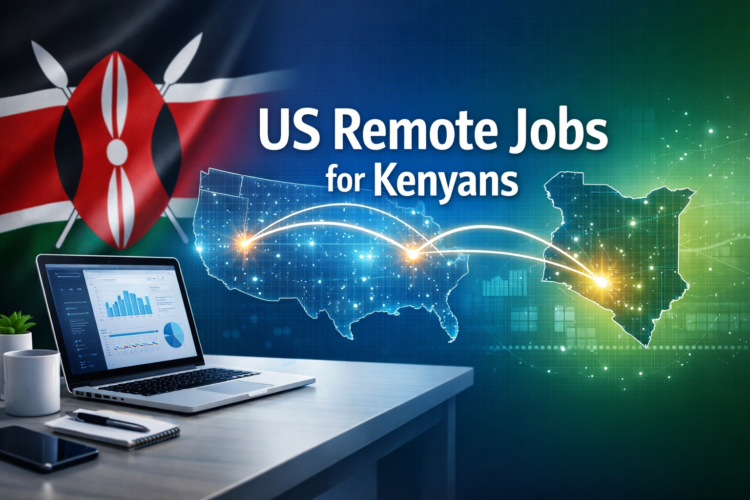
The landscape of work is undergoing a profound transformation, largely driven by advancements in technology and a globalized economy. Remote work, once a niche concept, has rapidly evolved into a mainstream employment model, dissolving geographical barriers and connecting talent with opportunities across continents. This shift has particularly opened doors for professionals in emerging economies, with Kenya standing out as a significant beneficiary. The burgeoning digital infrastructure and a highly skilled, English-speaking workforce have positioned Kenya as a prime hub for remote talent, attracting the attention of numerous US companies seeking to leverage a diverse global talent pool.
US companies are increasingly looking beyond their borders for several compelling reasons. The pursuit of specialized skills, cost-effectiveness, and the desire for diverse perspectives are key drivers. For Kenyans, this trend translates into unprecedented opportunities to engage with the global economy without the need for relocation. The appeal of working for US-based companies is multifaceted, offering substantial benefits such that higher earning potential, enhanced flexibility, and invaluable exposure to international business practices and cutting-edge technologies. This guide aims to explore the growing opportunities for Kenyans in US remote roles, detailing the advantages, job types, requirements, payment methods, and strategies for success, while also addressing common challenges and legal considerations.
2. Why US Remote Jobs Are Attractive for Kenyans
The allure of US remote jobs for Kenyan professionals is undeniable, primarily stemming from the significant economic and professional advantages they offer. The disparity between the US Dollar (USD) and the Kenyan Shilling (KES) means that even entry-level salaries from US companies can represent a substantial increase in earning power for Kenyans. For instance, while a Customer Support role might offer an average annual salary of KSh 390,000 locally, a similar role with a US firm could provide a significantly higher income, drastically improving living standards and financial stability . More specialized roles, such as Product Manager, can command annual salaries exceeding KSh 2.8 million, highlighting the immense financial upside .
Beyond monetary gains, the ability to work from anywhere within Kenya eliminates the need for costly and often complex relocation processes. This flexibility allows professionals to maintain their family and community ties while accessing global opportunities. Furthermore, working with global companies provides unparalleled career growth trajectories. Exposure to international best practices, diverse corporate cultures, and advanced technological environments fosters rapid skill development and broadens professional horizons. This engagement not only enhances individual capabilities but also contributes to the overall upskilling of the Kenyan workforce, positioning the nation as a competitive player in the global digital economy.
3. Types of US Remote Jobs Available
The spectrum of remote opportunities for Kenyans working with US companies is broad, encompassing both technical and non-technical roles, as well as a significant segment of freelance and contract work. This diversity allows individuals with various skill sets to find suitable engagements.
A. Tech Jobs
Kenya, particularly Nairobi, has earned the moniker “Silicon Savannah” due to its thriving tech ecosystem. This has naturally led to a high demand for tech-related remote roles. These include:
- Software Development: Building and maintaining applications, often using popular languages and frameworks. Companies like Crossover offer high-paying roles in this domain .
- Web Development: Front-end, back-end, and full-stack development for websites and web applications.
- Data Analysis / Data Science: Interpreting complex datasets to inform business decisions. The average annual salary for a Data Analyst in Kenya is around KSh 530,623, but US remote roles can offer significantly more .
- Cybersecurity: Protecting systems and data from threats, a critical need for any digital enterprise.
- UI/UX Design: Creating intuitive and engaging user interfaces and experiences for software and web platforms.
B. Non-Tech Jobs
Beyond the tech sector, a wide array of non-technical roles are available, often falling under Business Process Outsourcing (BPO) or direct hiring by US companies:
- Customer Support: Providing assistance and resolving issues for customers, often requiring excellent communication skills.
- Virtual Assistants: Offering administrative, technical, or creative assistance to clients remotely.
- Content Writing & Copywriting: Creating engaging written content for websites, marketing materials, and social media. A Content Writer in Kenya can earn an average of KSh 500,000 annually, with US roles potentially offering more .
- Social Media Management: Developing and executing social media strategies for brands.
- Sales & Lead Generation: Identifying and engaging potential clients to drive business growth.
C. Freelance & Contract Work
Many Kenyans also engage with US companies through freelance and contract arrangements, which offer even greater flexibility. Popular roles include:
- Graphic Design: Creating visual concepts using computer software or by hand, to communicate ideas that inspire, inform, or captivate consumers.
- Video Editing: Assembling raw footage into a finished product suitable for broadcasting.
- Transcription: Converting audio or video into text format.
- Digital Marketing: Encompassing SEO, SEM, email marketing, and other online strategies to promote products or services.
4. Requirements to Work Remotely for US Companies
Securing a remote position with a US company requires more than just enthusiasm; it demands a specific set of skills, the right tools, and a professional mindset. Understanding these requirements is crucial for aspiring remote workers.
A. Skills & Qualifications
- Relevant Technical or Soft Skills: For tech roles, proficiency in programming languages, data analysis tools, or design software is paramount. For non-tech roles, strong communication, organizational, and problem-solving skills are essential. The Ajira Digital Program, a Kenyan government initiative, provides training and mentorship to equip individuals with these vital digital skills .
- Certifications (Optional but Helpful): While not always mandatory, certifications from reputable institutions or online platforms (e.g., Coursera, Udemy) can significantly enhance a candidate’s profile, demonstrating a commitment to continuous learning and expertise in a specific area.
- Portfolio or Past Work Samples: For creative and technical roles, a strong portfolio showcasing previous projects and achievements is often a prerequisite. This provides tangible evidence of an applicant’s capabilities and experience.
B. Tools & Setup
- Reliable Internet Connection: A stable and fast internet connection is non-negotiable for remote work. This ensures seamless communication and access to cloud-based tools and resources.
- Laptop/PC: A functional and up-to-date computer is the primary tool for remote professionals.
- Communication Tools: Proficiency with common collaboration platforms such as Zoom, Slack, Microsoft Teams, and Google Meet is expected, as these are integral to daily remote operations.
C. Soft Skills
Beyond technical prowess, certain soft skills are highly valued by US employers:
- Communication (especially written English): Clear, concise, and professional written communication is critical for remote teams, especially across different time zones and cultures. Strong verbal communication is also important for virtual meetings.
- Time Management: Remote workers must be adept at managing their schedules, prioritizing tasks, and meeting deadlines independently.
- Self-Discipline: The ability to stay focused, motivated, and productive without direct supervision is a hallmark of successful remote professionals. This includes setting boundaries between work and personal life and maintaining a consistent work ethic.
5. Payment Methods for Kenyans
Receiving payments from US companies is a critical aspect of remote work for Kenyans. Fortunately, the fintech landscape has evolved significantly, offering several reliable and efficient options. These platforms facilitate cross-border transactions, often with lower fees and better exchange rates than traditional banking methods.
- PayPal: A widely recognized global payment platform, PayPal allows users to send and receive money internationally. While convenient, it is important to be aware of its transaction fees and currency conversion rates, which can sometimes be less favorable compared to other specialized services.
- Payoneer: This platform is particularly popular among freelancers and remote workers for its ability to provide US payment service accounts, enabling direct deposits from US companies. Payoneer also offers a Mastercard for easy access to funds and competitive exchange rates.
- Wise (formerly TransferWise): Increasingly becoming a preferred choice, Wise is known for its transparent fees and use of the mid-market exchange rate, making it a cost-effective solution for international money transfers. It allows Kenyans to receive payments in various currencies, including USD, EUR, and GBP, directly into their local bank accounts or mobile money wallets .
- Direct Bank Transfer: While possible, direct international bank transfers can sometimes be slow and incur higher fees due to intermediary banks. However, for larger sums or established employment relationships, this remains a viable option.
- Cryptocurrency (in some cases): The use of cryptocurrencies for international payments is emerging, offering fast and low-cost transactions. Platforms like Binance and Airtm provide virtual US accounts and facilitate crypto-to-KES conversions, catering to a growing segment of remote workers comfortable with digital assets .
6. How to Apply Successfully
Navigating the application process for US remote jobs requires a strategic approach to stand out in a competitive global talent pool. Tailoring your application to highlight your suitability for remote work and international collaboration is key.
A. Build a Strong CV/Resume
Your CV or resume is your first impression. It must be:
- Tailored to Remote Roles: Emphasize skills crucial for remote work, such as self-management, digital communication proficiency, and experience with remote collaboration tools.
- Highlight Global Experience: If you have previous experience working with international clients or teams, make sure to showcase it prominently. This demonstrates your ability to adapt to diverse work environments and time zones.
B. Create a Portfolio
For roles in creative, design, or technical fields, a compelling portfolio is indispensable. It should:
- Showcase Real Work/Projects: Provide tangible examples of your best work, demonstrating your skills and achievements. Include case studies or descriptions of your contributions and the impact of your work.
C. Optimize LinkedIn Profile
LinkedIn serves as a professional online resume and networking tool. Ensure your profile is:
- Professional Photo: A clear, professional headshot creates a positive first impression.
- Clear Headline: Use a concise and descriptive headline that immediately conveys your expertise and interest in remote roles (e.g., “Remote Virtual Assistant | Executive Support Specialist”).
- Detailed Experience: Populate your profile with detailed descriptions of your work experience, skills, and endorsements. Actively connect with professionals in your target industry and engage with relevant content.
D. Apply Strategically
- Customize Each Application: Avoid generic applications. Research each company and role thoroughly, and customize your cover letter and resume to align with their specific requirements and values.
- Follow Up After Applying: A polite follow-up email a week or two after submitting your application can reiterate your interest and keep your application top-of-mind.
7. Common Challenges & How to Overcome Them
While the benefits of US remote jobs are significant, Kenyan professionals may encounter certain challenges. Anticipating and preparing for these can greatly enhance the remote work experience.
- Time Zone Differences: Working with US companies often means significant time zone disparities. For example, the US East Coast is typically 8 hours behind Nairobi, while the West Coast is 11 hours behind. This can lead to late-night or early-morning meetings.
- Overcome: Utilize scheduling tools (e.g., Calendly, World Clock) to find overlapping work hours. Establish clear communication protocols with your team regarding availability. Some companies operate on an asynchronous model, which mitigates this challenge.
- Payment Delays: International payment processing can sometimes lead to delays, causing financial inconvenience.
- Overcome: Use trusted and efficient payment platforms like Wise or Payoneer, which are known for their reliability and speed. Clarify payment schedules and terms with your employer upfront.
- Scams: The remote job market, unfortunately, has its share of fraudulent schemes, often involving requests for upfront payments or personal financial information.
- Overcome: Be vigilant. Never pay to apply for a job. Use reputable job boards and platforms that vet employers, such as Remote4Africa. Research companies thoroughly before engaging. A legitimate employer will not ask for money from you.
- Competition: The global nature of remote work means you are competing with talent from all over the world.
- Overcome: Develop niche and in-demand skills. Continuously upskill and differentiate yourself through specialized expertise and a strong portfolio. Networking within remote work communities can also open doors.
8. Tips to Increase Your Chances
To truly thrive in the competitive landscape of US remote jobs, proactive steps are essential for continuous growth and visibility.
- Learn In-Demand Skills: Focus on acquiring skills that are highly sought after in the global remote market. This includes coding, digital marketing, data science, cloud computing, and advanced software proficiency. Platforms like Coursera and Udemy offer a wealth of courses to build these skills.
- Take Online Courses: Invest in continuous learning through online platforms. Certifications and specialized courses not only enhance your skill set but also demonstrate your commitment to professional development.
- Build a Personal Brand: Establish a strong online presence through platforms like LinkedIn, a personal website, or a professional blog. Share your expertise, insights, and project successes to attract potential employers.
- Network with Remote Workers: Engage with online communities, forums, and social media groups dedicated to remote work. Networking can provide valuable insights, job leads, and mentorship opportunities.
9. Legal & Tax Considerations in Kenya
Understanding the legal and tax implications of working remotely for US companies is crucial for compliance and financial planning in Kenya. The Kenya Revenue Authority (KRA) has specific guidelines that remote workers must adhere to.
Freelance vs. Employment Status
The classification of your work relationship significantly impacts your tax obligations:
- Freelancer/Contractor: If you are working as an independent contractor, you are considered self-employed. This means you are responsible for managing your own taxes and statutory deductions. You must register for a Personal Identification Number (PIN) with the KRA and file self-assessment tax returns annually. As of 2026, freelancers may also need to comply with eTIMS (Electronic Tax Invoice Management System) for invoicing, depending on their turnover .
- Employment Status: If you are formally employed by a US company, especially through an Employer of Record (EOR) like Deel or Remote.com, your tax situation might be simpler. The EOR typically handles Pay As You Earn (PAYE) deductions, National Hospital Insurance Fund (NHIF), National Social Security Fund (NSSF), and the Housing Levy directly from your salary, remitting them to the relevant Kenyan authorities . Resident taxpayers in Kenya are subject to tax on their worldwide income, regardless of where it is earned .
Tax Obligations (KRA Compliance)
Key tax obligations for remote workers in Kenya include:
- Income Tax: All income earned, whether from local or foreign sources, is subject to income tax in Kenya. The applicable tax rates depend on your income bracket.
- Value Added Tax (VAT): If your services fall under taxable supplies and your annual turnover exceeds the VAT registration threshold, you may be required to register for and charge VAT.
- Keeping Payment Records: Maintain meticulous records of all income received, expenses incurred, and taxes paid. This is essential for accurate tax filing and in case of a KRA audit.
Conclusion
Remote work for US companies presents a transformative opportunity for Kenyans, offering a pathway to significantly higher earnings, unparalleled career growth, and exposure to global best practices. While the journey requires consistency, continuous skill development, and strategic application, the rewards are substantial. From tech roles like software development and data analysis to non-tech positions in customer support and content creation, the avenues are diverse and expanding. By understanding the requirements, leveraging efficient payment methods, proactively addressing challenges, and adhering to legal and tax obligations, Kenyan professionals can successfully navigate this dynamic landscape. The message is clear: the global remote work revolution is here, and with the right approach, Kenyans are well-positioned to seize its immense potential. Start small, build your skills, and strategically pursue these opportunities to unlock a world of possibilities.