


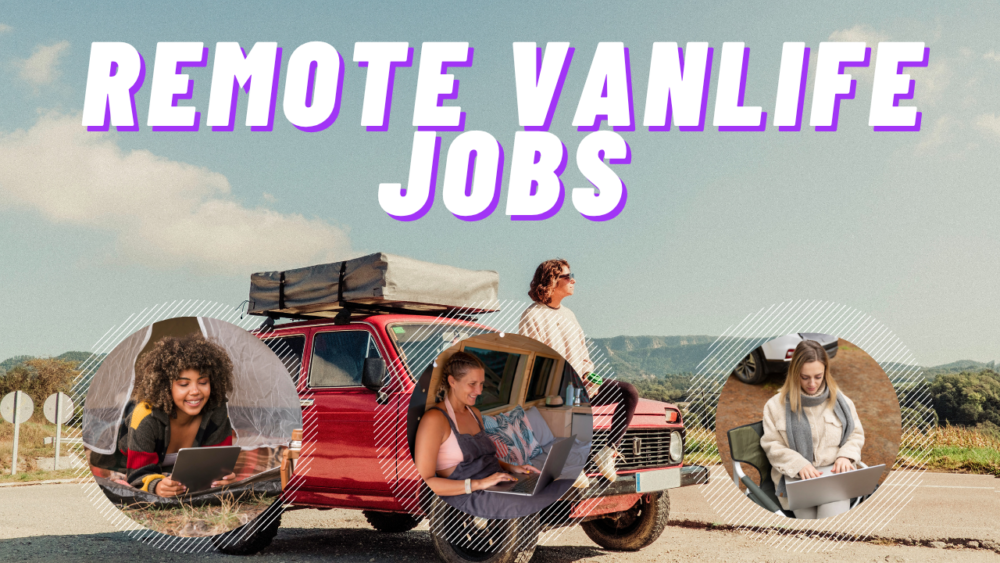
Imagine waking up to a new vista every day, the scent of pine or sea salt filling your lungs, and the freedom of the open road stretching before you. This is the allure of vanlife – a lifestyle that marries adventure with minimalist living. For many, the dream of vanlife was once synonymous with extended vacations or early retirement. However, a significant shift has occurred, with a growing number of individuals discovering how to sustain this nomadic existence through remote vanlife jobs.
Vanlife, at its core, is about living in a vehicle, typically a converted van, that serves as both transportation and home. It embodies a philosophy of freedom, self-sufficiency, and a deep connection with nature. Remote work, on the other hand, is the practice of earning a living from any location outside of a traditional office environment, leveraging digital tools and internet connectivity. The convergence of these two trends has given rise to the remote vanlife phenomenon, where individuals can pursue their professional aspirations while simultaneously exploring the world.
The appeal of remote vanlife jobs is multifaceted. It offers unparalleled flexibility, allowing individuals to design their schedules around their travels and personal interests. It provides an escape from the conventional nine-to-five grind and the financial burdens of rent or mortgages. Moreover, it fosters a sense of adventure and continuous discovery, as every new location brings fresh experiences and perspectives. This growing trend is not merely a fleeting fad but a sustainable lifestyle choice for those seeking a harmonious balance between work, travel, and personal well-being.
This comprehensive guide aims to illuminate the path for aspiring vanlifers, offering practical insights into finding viable remote jobs that not only support but enhance the vanlife lifestyle. We will delve into the types of work best suited for life on the road, the essential skills required, the tools and resources that make it possible, and the challenges one might encounter. By exploring real-life examples and offering actionable tips, this guide seeks to empower readers to transform their vanlife dreams into a tangible reality.
Why Remote Work Fits Vanlife
The synergy between remote work and vanlife is profound, creating a lifestyle that many find deeply fulfilling. The inherent characteristics of remote employment align seamlessly with the nomadic existence of vanlife, offering a compelling alternative to traditional living and working arrangements.
One of the most significant advantages is the flexibility of schedule. Unlike conventional jobs that often demand strict adherence to office hours, many remote roles allow for asynchronous work, where tasks are completed based on deadlines rather than fixed clock-in and clock-out times. This flexibility is crucial for vanlifers, enabling them to plan their work around travel days, scenic detours, or simply enjoying a beautiful sunrise from a remote campsite. The ability to dictate one’s own working rhythm means that a productive workday can be interspersed with outdoor activities, cultural explorations, or simply moments of quiet contemplation in nature.
The fundamental premise of remote work – the ability to work from anywhere with internet – is the cornerstone of vanlife employment. As long as a stable internet connection can be established, a vanlifer’s office can be a mountain overlook, a beachfront, a national park, or a quiet spot in a bustling city. This geographical independence liberates individuals from the constraints of a fixed location, allowing them to chase good weather, explore diverse landscapes, or visit friends and family across vast distances without interrupting their professional commitments.
Financial considerations also play a pivotal role in the appeal of remote vanlife jobs. While vanlife itself involves initial setup costs and ongoing expenses, remote work provides a consistent income stream to balance these out. Many vanlifers find that their overall cost of living can be significantly reduced by eliminating rent, property taxes, and daily commuting expenses. This financial freedom, coupled with the income from remote work, allows for a more sustainable and less stressful nomadic existence. The ability to earn a decent living while minimizing overheads is a powerful motivator for embracing this lifestyle.
Ultimately, remote work facilitates an unparalleled lifestyle freedom. It allows individuals to prioritize experiences over possessions, to immerse themselves in nature, and to pursue personal growth through continuous travel and exploration. The freedom to choose where to live, when to work, and how to spend one’s time is a powerful antidote to the perceived monotony of modern life. Remote vanlife jobs are not just about earning money; they are about crafting a life that is rich in adventure, purpose, and personal autonomy.
Types of Remote Jobs Suitable for Vanlife
The landscape of remote work is vast and diverse, offering numerous opportunities for vanlifers across various industries. The key is to identify roles that are inherently location-independent and can be performed effectively with the tools and connectivity available on the road. Here are several categories of remote jobs that are particularly well-suited for the vanlife lifestyle:
1. Digital / Tech Jobs
The digital and technology sectors have long been at the forefront of remote work, making them ideal for vanlifers with the requisite skills. These roles often involve project-based work, cloud-based tools, and asynchronous communication, all of which are highly compatible with a nomadic lifestyle.
- Web Developer, Software Engineer: These roles involve designing, developing, and maintaining websites and software applications. The work is typically highly technical and requires strong problem-solving skills. Most development tasks can be performed independently, with team collaborations often managed through online platforms like Slack, Jira, and Git. The demand for skilled developers remains consistently high, offering excellent income potential and job security . Salaries for software developers can range from $80,000 to $150,000+ annually, depending on experience and specialization .
- App Developer: Similar to web development, app developers create applications for mobile devices (iOS and Android). This field also benefits from project-based work and the use of cloud-based development environments.
- Data Analyst: Data analysts collect, process, and perform statistical analyses on data to help organizations make informed decisions. This role requires strong analytical skills and proficiency with data visualization tools. Much of the work can be done independently, with results presented remotely. Data analysts can expect to earn between $60,000 and $100,000 annually .
Pros & Cons: The primary advantage of digital/tech jobs is their income stability and often high earning potential. They are also highly portable, requiring only a laptop and a reliable internet connection. However, the skill requirements are often high, necessitating specialized education or extensive self-taught expertise. While many tasks are asynchronous, occasional video calls or urgent bug fixes might demand robust connectivity.
2. Creative Jobs
For those with an artistic flair and a passion for storytelling, creative remote jobs offer a fulfilling way to earn a living while embracing vanlife. These roles often thrive on individual expression and can be performed with a relatively portable setup.
- Freelance Writer/Blogger: This encompasses a wide range of writing services, including content creation for websites, blog posts, articles, copywriting, and technical writing. Vanlifers can leverage their travel experiences to create compelling content for travel blogs, outdoor adventure companies, or even their own platforms. The income for freelance writers can vary significantly, from $0.10 to over $1.00 per word for experienced professionals, with a focus on delivering specific outcomes like SEO improvement or increased sales rather than just word count .
- Graphic Designer, Video Editor, or Photographer: These visual creative roles involve producing visual content for various clients. Graphic designers create logos, marketing materials, and website layouts. Video editors transform raw footage into polished videos, often for social media, marketing, or educational purposes. Photographers capture images for commercial use, stock photography, or personal projects. The portable nature of modern cameras and editing software makes these professions highly compatible with vanlife.
- Social Media Manager / Content Creator: This role involves managing social media accounts for businesses or individuals, creating engaging content, scheduling posts, and analyzing performance. Content creators, particularly those documenting their vanlife journey on platforms like YouTube or Instagram, can monetize their audience through advertising, sponsorships, and merchandise.
Benefits: Creative jobs offer immense creative expression and the satisfaction of producing tangible work. They typically require a portable work setup, often just a laptop and specialized software. The main challenge can be large file uploads for video and high-resolution images, which necessitate strong internet connectivity.
3. Teaching & Coaching
Sharing knowledge and expertise with others is another excellent avenue for remote vanlife income. The rise of online learning platforms has created a robust demand for virtual educators and coaches.
- Online Tutoring (languages, math, coding): Tutors provide one-on-one or group instruction in various subjects. Platforms connect tutors with students globally, allowing for flexible scheduling. This role requires strong subject matter expertise and good communication skills.
- Fitness or Wellness Coaching via Video Calls: Certified coaches can offer personalized fitness plans, nutrition advice, or wellness guidance through video conferencing. This allows them to maintain client relationships regardless of their physical location.
- ESL Teaching Online: Teaching English as a Second Language (ESL) to students in other countries is a popular remote job. Many platforms provide curriculum and connect teachers with students, often in different time zones, which can be managed with a flexible vanlife schedule. Online ESL teachers can earn between $15 and $30 per hour .
4. Customer Service & Support
Many companies now offer remote customer service and support roles, providing a stable income source that can be performed from anywhere with a reliable internet connection.
- Virtual Assistant (VA): VAs provide administrative, technical, or creative assistance to clients remotely. Tasks can include email management, scheduling, social media support, data entry, and research. This role often requires strong organizational skills and the ability to multitask.
- Remote Customer Support Representative: These roles involve assisting customers with inquiries, technical issues, or product support via phone, email, or chat. Many companies have fully remote customer support teams, and the work can be structured to accommodate different time zones.
- Chat Support Roles: Similar to customer support, chat support focuses on resolving customer issues through text-based chat interfaces. This can be less demanding on voice quality and background noise, making it slightly more vanlife-friendly than phone-based roles. Entry-level remote customer support roles typically pay around $18-20 per hour, with annual salaries ranging from $30,000 to $60,000 .
5. Entrepreneurial / Gig Work
For those with an entrepreneurial spirit, vanlife can be an incubator for various online businesses and gig economy opportunities.
- Dropshipping / E-commerce: This involves setting up an online store and selling products without holding any inventory. When a customer places an order, the product is shipped directly from a third-party supplier. This model is highly location-independent, requiring only an internet connection for store management and customer communication.
- Selling Handmade Goods or Digital Products Online: Creative vanlifers can sell their crafts, artwork, or digital products (e.g., e-books, online courses, presets) through platforms like Etsy, Shopify, or their own websites. This allows them to monetize their passions while traveling.
- Travel Blogging or YouTube Content Monetization: As mentioned under creative jobs, documenting one’s vanlife journey can evolve into a significant income stream. Through advertising revenue, affiliate marketing, sponsorships, and selling digital products, successful travel bloggers and YouTubers can turn their adventures into a sustainable business. This path often requires significant time and effort to build an audience and consistent content creation.
Skills Needed for Vanlife Remote Jobs
While the allure of vanlife is strong, successfully integrating remote work into this lifestyle demands a specific set of skills and personal attributes. These are not necessarily technical skills but rather soft skills and organizational habits that ensure productivity and well-being on the road.
Self-discipline and time management are paramount. Without the structure of a traditional office environment, vanlifers must be adept at setting their own schedules, prioritizing tasks, and meeting deadlines. This involves creating routines, even flexible ones, and resisting the constant temptation of new sights and experiences during work hours. Effective time management ensures that work commitments are met, leaving ample time for travel and leisure.
Tech proficiency is non-negotiable. Remote work relies heavily on digital tools, including cloud-based collaboration platforms (e.g., Google Workspace, Microsoft 365), project management software (e.g., Trello, Notion), and communication applications (e.g., Slack, Zoom). Vanlifers must be comfortable navigating these tools, troubleshooting minor technical issues, and adapting to new software quickly. A basic understanding of how to optimize internet connectivity and manage power consumption is also crucial.
Communication skills for remote teams are vital. In the absence of face-to-face interactions, clear, concise, and proactive communication becomes even more important. This includes written communication (emails, chat messages), verbal communication (video calls), and the ability to convey progress, challenges, and availability effectively. Being responsive and transparent helps build trust and maintain strong working relationships with colleagues and clients.
For freelancers and entrepreneurs, marketing or self-promotion skills are essential. Building a personal brand, networking, and actively seeking out new clients or opportunities are critical for maintaining a steady income stream. This might involve creating a professional portfolio, engaging on social media, or attending virtual industry events. The ability to articulate one’s value proposition and attract consistent work is a cornerstone of freelance success in vanlife.
Tools & Resources
Equipping oneself with the right tools and resources is fundamental to making remote vanlife jobs a sustainable reality. From staying connected to managing finances, these essentials form the backbone of a productive nomadic workspace.
Internet & Connectivity
Reliable internet is arguably the most critical component of remote vanlife. Without it, most remote jobs are simply not feasible. The good news is that connectivity options have advanced significantly, offering robust solutions for life on the road.
- Mobile Hotspots: These devices utilize cellular data networks to create a Wi-Fi hotspot, allowing multiple devices to connect. They are often the primary internet source for vanlifers, offering decent speeds in areas with good cellular coverage. Many vanlifers use dedicated data plans or leverage their smartphone’s hotspot feature.
- Satellite Internet (e.g., Starlink): For true off-grid connectivity, satellite internet has become a game-changer. Starlink, in particular, offers high-speed, low-latency internet access in remote areas where cellular service is nonexistent. While the initial hardware cost can be significant, and monthly subscriptions range from $120-$150, it provides unparalleled freedom to work from virtually anywhere . The Starlink Mobile or Mini versions are particularly suited for nomadic use.
- Cell Boosters (e.g., WeBoost): These devices amplify existing cellular signals, improving data speeds and reliability in fringe coverage areas. They can make the difference between having a usable signal and no signal at all.
- Peplink Routers: Advanced vanlifers often invest in multi-WAN routers like those from Peplink, which can combine multiple cellular data plans and Wi-Fi sources into a single, more robust internet connection, automatically switching to the strongest signal.
- Apps: Apps like OpenSignal or Coverage? help identify cellular coverage areas, allowing vanlifers to plan their routes and work locations strategically.
Work Productivity Tools
Efficient work management is crucial when your office is constantly moving. A suite of digital tools helps maintain organization, collaboration, and productivity.
- Trello, Notion: These are versatile project management and organizational tools. Trello uses boards, lists, and cards to help track tasks and workflows, while Notion offers a flexible workspace for notes, databases, wikis, and project planning. They are excellent for individual task management and team collaboration.
- Slack, Zoom: Essential for communication and collaboration with remote teams and clients. Slack provides instant messaging and channel-based communication, while Zoom is the go-to platform for video conferencing, virtual meetings, and screen sharing.
Finance & Invoicing
Managing finances and invoicing clients efficiently is critical for remote workers, especially freelancers and entrepreneurs.
- PayPal, Stripe: These are widely used online payment processing platforms that facilitate sending and receiving payments globally. They are essential for invoicing clients and managing income.
- QuickBooks: Accounting software that helps track income and expenses, manage invoices, and prepare for taxes. Cloud-based versions are accessible from anywhere.
Job Platforms
Finding remote work opportunities often begins with specialized job boards and freelance platforms.
- Upwork, Fiverr: These are popular freelance marketplaces where individuals can offer their services (writing, design, development, virtual assistance, etc.) to clients worldwide. They are excellent starting points for building a portfolio and client base.
- Remote.co, FlexJobs, We Work Remotely, Dynamite Jobs: These platforms specialize in listing fully remote job opportunities across various industries. They often feature curated lists of legitimate remote positions, making the job search more targeted.
Challenges of Remote Vanlife Jobs
While the romanticized image of vanlife often overshadows its practicalities, it’s crucial to acknowledge the challenges that come with combining remote work and nomadic living. Addressing these proactively is key to a sustainable and enjoyable experience.
Internet connectivity issues remain the most persistent hurdle. Despite advancements in technology like Starlink and 5G hotspots, there will inevitably be dead zones or areas with weak signals. This can disrupt work, delay deadlines, and cause significant frustration. Vanlifers must develop backup plans, such as having multiple internet sources, downloading work offline, or strategically planning their routes around known coverage areas.
Isolation or lack of social interaction can be a subtle but impactful challenge. While vanlife offers freedom, it can also lead to periods of solitude. Remote work, by its nature, reduces in-person team interactions. This combination can sometimes lead to feelings of loneliness or detachment. Actively seeking out social opportunities, networking with other vanlifers, visiting co-working spaces, or maintaining virtual connections with friends and family are important for mental well-being.
Balancing work with travel and exploration is a constant negotiation. The very appeal of vanlife – the endless possibilities for adventure – can become a distraction from work responsibilities. It requires strong self-discipline to dedicate sufficient time to work, especially when surrounded by breathtaking landscapes or exciting new towns. Conversely, overworking can lead to burnout and negate the benefits of the nomadic lifestyle. Finding a healthy equilibrium is an ongoing process.
Maintaining a professional setup in a small space presents practical challenges. Vans, even well-converted ones, have limited square footage. Creating an ergonomic and productive workspace that can be easily stowed away is essential. This involves clever storage solutions, multi-functional furniture, and investing in compact, high-quality tech gear. Ensuring a professional appearance for video calls, managing background noise, and maintaining a clean and organized environment are all considerations in a confined living space.
Tips for Success
Navigating the unique demands of remote vanlife jobs requires strategic planning and a proactive approach. Implementing these tips can significantly enhance productivity, well-being, and overall success on the road.
Plan work around travel (time zones, deadlines): Instead of letting work dictate travel, integrate them thoughtfully. If your job requires synchronous meetings, be mindful of time zone changes as you move west. Schedule deep work sessions during periods of stable connectivity or when parked in a quiet location. Use travel days for lighter tasks or administrative duties, reserving focused work for days when you are stationary. Proactively communicate your availability and any potential connectivity challenges to clients or employers.
Invest in reliable tech gear and power solutions: Your livelihood depends on your equipment. Prioritize high-quality, durable laptops, portable monitors, and noise-canceling headphones. Crucially, invest in a robust power system for your van, including sufficient solar panels, a large-capacity lithium (LiFePO4) battery bank, and a DC-DC charger to replenish power while driving. A reliable inverter is also essential for running AC devices. Having redundant internet solutions (e.g., Starlink and a 5G hotspot) is a wise investment to mitigate connectivity issues .
Create a dedicated workspace in your van: Even in a small space, defining a specific area for work can significantly improve focus and productivity. This might involve a fold-down desk, a Lagun swivel table, or a removable tabletop that fits over your bed. Ensure good lighting, whether natural or artificial (a USB ring light is excellent for video calls), and a comfortable, ergonomic seating option, even if it’s a supportive camp chair used outside . The goal is to minimize distractions and create a professional environment, even if temporary.
Network with other remote vanlifers for support and opportunities: Connecting with the vanlife community can provide invaluable support, advice, and even job leads. Online forums, social media groups, and in-person meetups (like RTR – Rubber Tramp Rendezvous) are excellent ways to share experiences, troubleshoot problems, and combat feelings of isolation. Other vanlifers can offer insights into reliable internet spots, efficient power setups, and remote-friendly companies or clients. Co-working spaces in popular nomad hubs also offer opportunities for social interaction and professional networking .
Real-Life Examples / Case Studies
The theoretical framework of remote vanlife jobs comes to life through the experiences of individuals who have successfully embraced this lifestyle. Their stories offer inspiration and practical lessons for aspiring vanlifers.
- The “Async Dev”: Sarah, a software engineer, transitioned to vanlife two years ago. Her job, primarily focused on backend development, allows for highly asynchronous work. She typically dedicates her mornings to deep work, often parked in remote desert locations utilizing her Starlink connection. Afternoons are reserved for hiking, exploring, or pursuing personal projects. She manages team communication through Slack and occasional video calls, which she schedules during periods of optimal connectivity. Sarah emphasizes the importance of a robust power system and a comfortable, albeit compact, workspace with a portable monitor to maintain productivity .
- The “Content Creator”: Mark and Emily, a couple, run a successful travel blog and YouTube channel documenting their vanlife adventures. Their income streams include YouTube ad revenue, affiliate marketing for outdoor gear, and sponsored content. They strategically plan their content creation, often batching filming sessions in scenic locations. Editing, which requires significant bandwidth for large file uploads, is typically done in libraries or coffee shops with fast fiber internet. They highlight the need for consistent content and strong self-promotion to build an audience and monetize their passion .
- The “Virtual Assistant”: David works as a virtual assistant, managing administrative tasks, social media, and client communications for several small businesses. His work is highly flexible, allowing him to set his own hours. He primarily relies on a 5G mobile hotspot for internet, often seeking out urban or suburban areas for better signal reliability. David stresses the importance of clear communication with clients about his nomadic lifestyle and potential connectivity fluctuations, ensuring transparency and managing expectations. He also uses Notion extensively for client management and task organization .
These brief case studies illustrate that while the specific job roles vary, common threads of success include strong self-discipline, reliable tech infrastructure, strategic planning, and effective communication. They demonstrate that balancing work, travel, and life on the road is not only possible but can lead to a deeply rewarding existence.
Conclusion
The dream of combining professional fulfillment with the freedom of the open road is no longer a distant fantasy but an achievable reality through remote vanlife jobs. This guide has explored the compelling reasons why remote work is a perfect fit for the nomadic lifestyle, offering unparalleled flexibility, geographical independence, and financial sustainability. We’ve delved into a diverse array of suitable professions, from high-demand digital and tech roles to creative endeavors, teaching, customer support, and entrepreneurial ventures.
Success in remote vanlife hinges on cultivating essential skills such as self-discipline, tech proficiency, and effective communication. Furthermore, investing in the right tools and resources – particularly reliable internet connectivity like Starlink and robust power solutions – is paramount. While challenges such as connectivity issues, potential isolation, and the constant balance between work and wanderlust exist, they are surmountable with proactive planning and a resilient mindset.
We encourage you to explore your existing skills, identify potential remote job opportunities, and consider how they might align with the vanlife ethos. The journey to becoming a remote vanlifer is one of preparation, adaptation, and continuous learning. With the right job, the right tools, and the right mindset, the open road awaits, ready to become your office, your home, and your endless adventure.
Vanlife is possible with the right remote job!
Remote Vanlife Jobs Roadmap
Beginner-Friendly Jobs (Low Skill Barrier)
| Job Type | Examples | Flexibility | Income Potential | Notes |
|---|---|---|---|---|
| Customer Service | Chat support, VA | High | $15–$25/hr | Good for steady hours; minimal setup |
| Online Tutoring | ESL, Math | Medium | $15–$30/hr | Flexible schedule; requires basic teaching skills |
| Gig Work | Fiverr gigs, small tasks | High | $10–$50/hr | Depends on demand; short-term projects |
Mid-Level Skill Jobs
| Job Type | Examples | Flexibility | Income Potential | Notes |
|---|---|---|---|---|
| Freelance Writing | Blogs, copywriting | High | $25–$75/hr | Build portfolio; steady work with experience |
| Social Media Management | Instagram, TikTok, YouTube | Medium | $20–$60/hr | Requires marketing skills and consistency |
| Graphic Design / Video Editing | Canva, Premiere, Photoshop | Medium | $25–$80/hr | Creative jobs; flexible but project-based |
High-Skill / High-Income Jobs
| Job Type | Examples | Flexibility | Income Potential | Notes |
|---|---|---|---|---|
| Web Development | Front-end, full-stack | Medium | $50–$100+/hr | High demand; remote-friendly |
| App Development | iOS, Android | Medium | $60–$120+/hr | Requires advanced skills; great for project work |
| Data Analysis / Analytics | SQL, Python | Medium | $40–$100/hr | Remote and stable; good for structured schedules |
Entrepreneurial / Passive Income Paths
| Job Type | Examples | Flexibility | Income Potential | Notes |
|---|---|---|---|---|
| E-commerce / Dropshipping | Shopify, Etsy | High | $100–$1000+/wk | Requires upfront effort; can scale |
| Digital Products | Templates, courses | High | $50–$500+/month | Once set up, mostly passive |
| Travel Blogging / YouTube | Content monetization | High | Varies | Long-term growth; high creativity |
Key Considerations for Vanlife
- Internet Dependence: Jobs requiring stable connections need good mobile hotspots or satellite internet.
- Workload vs. Travel: Freelancers can set flexible hours; high-skill jobs may have deadlines.
- Portable Setup: Consider laptops, tablets, power banks, solar chargers.
- Income Diversification: Combining gigs, freelance, and passive income creates stability.