


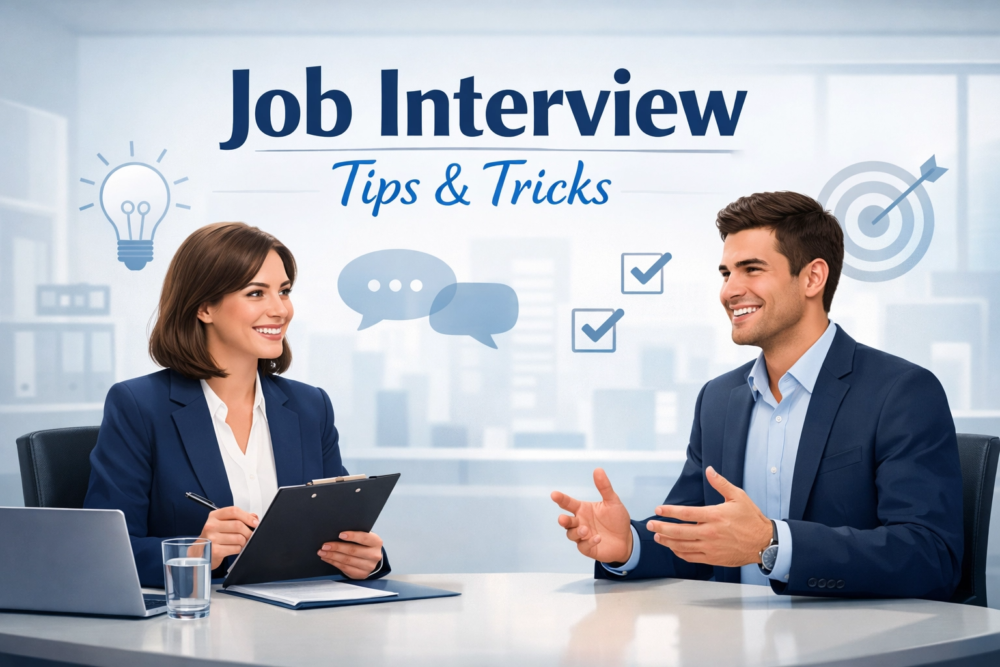
Landing a job interview is a significant achievement — a testament to your skills and experience as presented on your résumé. However, the interview itself is where you truly shine, demonstrating not just what you’ve done, but who you are and how you fit into a prospective team. In today’s competitive job market, mastering the art of the interview is more crucial than ever.
This comprehensive guide, drawing insights directly from hiring managers, equips you with 20 actionable tips to navigate the interview process successfully — from initial preparation to post-interview follow-up.
Success in a job interview begins long before you step into the room or log into a virtual meeting. Thorough preparation is the cornerstone of confidence and competence.
Research the Company and Role
Hiring managers consistently emphasize the importance of candidates demonstrating genuine interest in their organization. This goes beyond a cursory glance at the company website. Dive deep into their mission, values, recent projects, news, and even their social media presence.
“Candidates who clearly researched us always stand out. It shows initiative and genuine interest — two things you can’t fake.” — Hiring Manager
Tailor Your Résumé and Cover Letter
While your résumé and cover letter secured the interview, revisit them with the specific role and company in mind. Be prepared to articulate how each experience and skill listed directly relates to the job requirements. Hiring managers look for candidates who can connect their past achievements to future contributions.
Practice Common Interview Questions
Anticipate questions about your strengths, weaknesses, career goals, and how you handle challenging situations. The STAR method (Situation, Task, Action, Result) is an invaluable framework for behavioral questions.
Understand Your “Selling Points”
Before the interview, identify your unique value proposition. What makes you stand out from other candidates? What specific skills, experiences, or qualities do you possess that directly address the company’s needs? Be ready to confidently communicate these selling points throughout the interview, weaving them into your answers and demonstrating how you can be an asset to the team.
Prepare Questions to Ask
An interview is a two-way street. Asking thoughtful questions demonstrates your engagement, critical thinking, and genuine interest in the role. Prepare questions about team dynamics, growth opportunities, company challenges, or how success is measured in the role.
- →“What does success look like in this role in the first 90 days?”
- →“How would you describe the team culture and working style?”
- →“What are the biggest challenges someone in this role faces?”
- →“What growth opportunities are available to people in this position?”
Dress Appropriately
First impressions matter. While dress codes vary by industry and culture, it’s always safer to err on the side of professional attire. Research the company’s culture if possible, but a neat, clean, and professional appearance conveys respect for the interviewer and the opportunity. Ensure your clothes are comfortable and allow you to move freely.
Arrive Early (or Log In Early for Virtual)
For in-person interviews, aim to arrive 10–15 minutes early. For virtual interviews, log in at least 5–10 minutes early to test your technology and internet connection. Punctuality demonstrates reliability and respect for the interviewer’s time.
- ✓Arrive 10–15 minutes early
- ✓Know the exact location beforehand
- ✓Use the time to compose yourself
- ✓Log in 5–10 minutes early
- ✓Test your camera, mic and internet
- ✓Ensure a clean, professional background
This is your moment to connect with the hiring manager and showcase your potential. Every interaction, from your greeting to your closing remarks, contributes to their overall impression.
Maintain Good Body Language
Non-verbal cues speak volumes. Maintain eye contact, offer a firm handshake for in-person interviews, and sit with good posture. Avoid fidgeting, crossing your arms defensively, or slouching. A confident and open posture conveys enthusiasm and engagement.
Listen Actively
Pay close attention to the interviewer’s questions and comments. Active listening allows you to provide relevant and thoughtful answers, avoiding generic responses. If you’re unsure about a question, don’t hesitate to ask for clarification — this demonstrates your commitment to understanding and providing an accurate response.
Be Authentic and Confident
Hiring managers want to get to know the real you. While it’s important to present your best self, authenticity builds trust. Be confident in your abilities and experiences, but avoid arrogance. Let your personality shine through and don’t be afraid to share genuine enthusiasm for the role.
“Confidence comes from preparation, so trust in the work you’ve done before walking through that door.”
Showcase Soft Skills
Beyond technical competencies, hiring managers highly value soft skills. Look for opportunities to demonstrate these through your answers and interactions.
Provide Specific Examples (STAR Method)
When answering behavioral questions, don’t just state your skills — prove them. Describe the Situation, the Task you faced, the Action you took, and the Result of your actions. This provides concrete evidence of your capabilities and makes your answers memorable and impactful.
Demonstrate Problem-Solving Skills
Hiring managers often present hypothetical scenarios to assess your problem-solving abilities. Walk them through your thought process, even if you don’t have a perfect solution. Show how you analyze a problem, consider different approaches, and learn from outcomes. This demonstrates critical thinking and resilience.
Show Enthusiasm and Passion
Your energy and genuine interest can be contagious. Express your excitement for the opportunity, the company’s mission, and the potential to contribute. Hiring managers are more likely to hire someone who is passionate about their work. Let your enthusiasm be evident in your voice, body language, and answers.
Be Honest About Weaknesses (With a Growth Mindset)
When asked about your weaknesses, avoid clichés or pretending you have none. Instead, choose a genuine weakness and explain what steps you are taking to improve it.
“I’m a perfectionist — I just work too hard sometimes.”
“Public speaking used to be a challenge, so I joined Toastmasters and have since presented at three company-wide meetings.”
Understand Salary Expectations
Be prepared to discuss your salary expectations. Research industry averages for similar roles and your experience level. It’s often best to provide a salary range rather than a single figure. This shows you’ve done your homework and are flexible, while also valuing your worth.
“Generally, avoid bringing up salary in the very first interview unless the interviewer initiates it. If asked, provide a range based on research and state you’re open to negotiation.”
The interview doesn’t end when you leave the room. Your post-interview actions can significantly influence the hiring manager’s final decision.
Send a Thank-You Note
Always send a personalised thank-you note or email within 24 hours of your interview. Reiterate your interest in the role, thank the interviewer for their time, and briefly mention something specific you discussed. This reinforces your professionalism and enthusiasm.
Subject: Thank You – [Job Title] Interview
Dear [Name],
Thank you for taking the time to meet with me today to discuss the [Job Title] role at [Company]. I truly enjoyed our conversation, particularly [specific topic discussed].
The more I learn about the team and your goals, the more excited I am about the opportunity to contribute. I believe my experience in [relevant skill] aligns well with what you’re looking for.
I look forward to hearing about the next steps. Please don’t hesitate to reach out if you need anything further.
Best regards,
[Your Name]
Follow Up Appropriately
If you haven’t heard back within the timeframe the interviewer provided (or within a week if none was given), a polite follow-up email is appropriate. Reiterate your interest and inquire about the status of your application. Avoid being overly persistent, as this can reflect negatively.
Be Prepared for Technical / Situational Questions
Depending on the role, you might face technical questions, coding challenges, or complex situational problems. Practice these scenarios beforehand. For technical roles, brush up on relevant programming languages, tools, and concepts. For other roles, think about how you would approach common workplace dilemmas.
Reflect and Learn from Each Interview
Every interview is a learning opportunity, regardless of the outcome. After each interview, take time to reflect on what went well and what could be improved. Use these insights to refine your approach for future interviews, continuously improving your performance.
- →Did I answer every question clearly and with a concrete example?
- →Were there any questions that caught me off guard?
- →Did I convey my key selling points effectively?
- →What would I answer differently next time?
Frequently Asked Questions
The Bottom Line
Passing a job interview is a multifaceted process that combines thorough preparation, effective communication, and genuine enthusiasm. By integrating these 20 tips into your strategy, you can significantly enhance your chances of success. Approach each interview as an opportunity to learn, grow, and connect — and you’ll be well on your way to securing the job you desire.
- 1Research the company & role
- 2Tailor your résumé
- 3Practice STAR answers
- 4Know your selling points
- 5Prepare smart questions
- 6Dress professionally
- 7Arrive / log in early
- 8Good body language
- 9Listen actively
- 10Be authentic
- 11Showcase soft skills
- 12Use the STAR method
- 13Show problem-solving
- 14Show enthusiasm
- 15Honest about weaknesses
- 16Know salary expectations
- 17Send a thank-you note
- 18Follow up politely
- 19Prep for technical Qs
- 20Reflect and improve
Browse thousands of verified job listings matched to your skills.
Browse Open Roles →